What is PET?
What is PET and why does it matter?
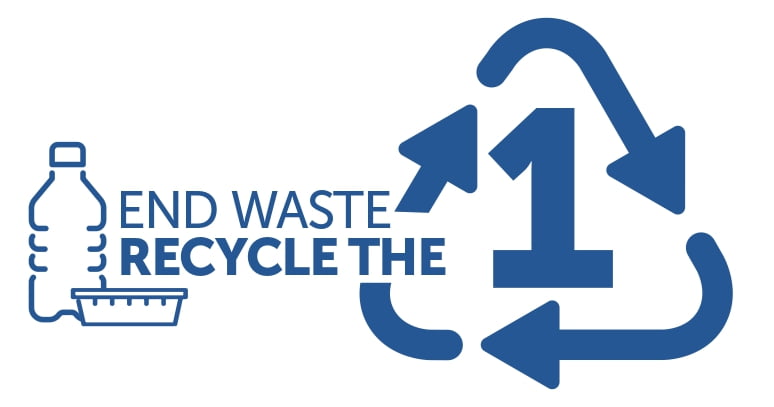
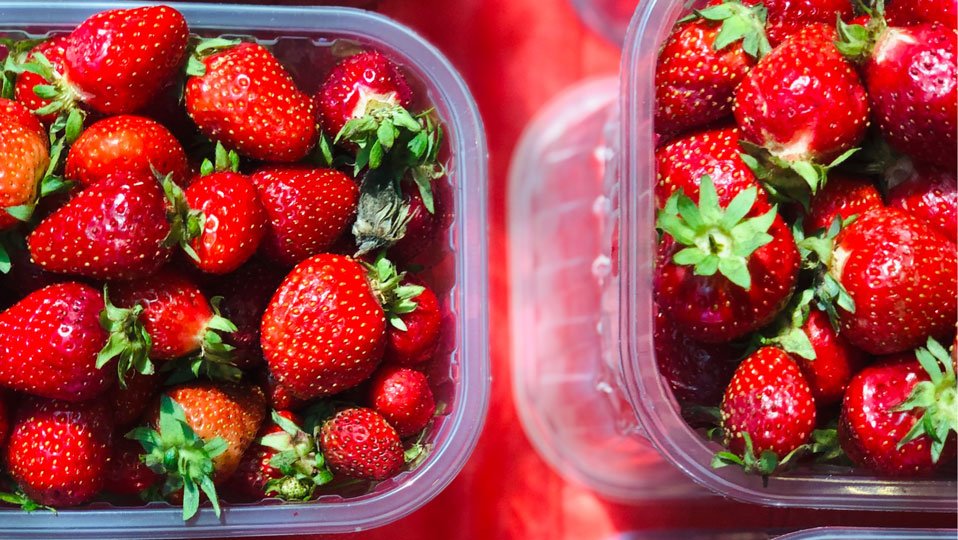
PET, or polyethylene terephthalate, is a type of plastic used to package food and drink products. In 2018, 40% of beverage packaging worldwide was made from PET (SIPA Solutions, 2019). PET is also used to make trays for packaging meat, fruit, baked goods and other delicate food products. Light, durable and safe, PET is the most recyclable plastic in the world and has a smaller carbon footprint than many other types of packaging. The packaging we use has a significant impact on the environment, the economy, and our health. PET plastic fulfils EU and international requirements for each of these criteria, making it a popular choice for producers and consumers alike. PET is easy to recognise by its number 1 logo, located inside the recycling symbol on bottles and food trays.
The most recyclable plastic in the world.
Safe, hygienic, and approved internationally for use in food and drink packaging
Easily recognisable by its number 1 logo
End Waste, Recycle the 1:
What makes PET so sustainable?
What does sustainable packaging mean?
A unique trait of PET is that it can be recycled and turned into new products on a near-infinite basis. Recycled PET (rPET) products are on the rise across Europe, and they release 79% fewer greenhouse emissions than virgin PET (TOMRA, 2025). Its high recyclability also makes it less likely to end up in landfill. Around 75% of PET bottles were sorted for recycling in Europe in 2022, making it one of the continent’s most recycled plastic packaging materials (ICIS, 2024).
How do I know if something is made out of PET plastic?
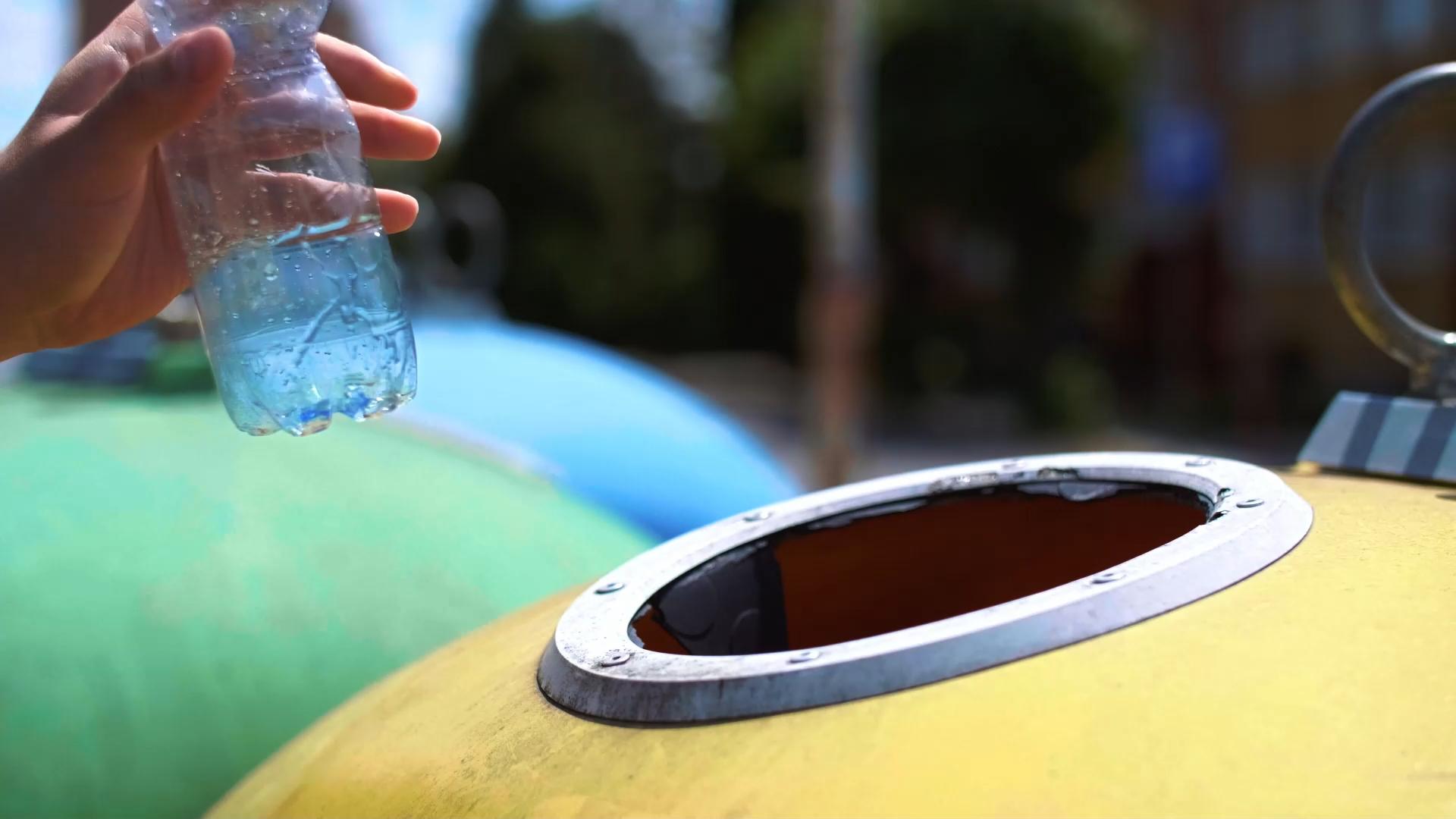
At the bottom of most plastic packaging, you’ll find a number inside the triple arrow recycling symbol. This number tells you what plastic that packaging is made from and makes it easy to understand how recyclable your packaging is.
Make sure to look for the 1 symbol when you’re next in the supermarket.
Is PET safe?
PET is approved as safe for use in direct food contact in the EU (EFSA, 2026), as well as by the US’s FDA (FDA, 2024) and health agencies across the world. PET’s continued use in the food, beverage, pharmaceutical and medical sectors is a testament to this valuable material’s safety and versatility. Repeated studies, regulatory approvals and testing show that PET is safe.
Despite an increase in concerns on news platforms and social media sites, science has shown that PET is a safe and sustainable choice. To learn more about PET and safety and to see answers to common questions, visit our PET safety page [here].
Does PET use have negative health impacts?
PET has consistently complied with EFSA standards in the European Union and FDA standards in the United States. This means that before PET can come into contact with any food or drink product, it must undergo rigorous testing in controlled settings. Additionally, WHO research found no evidence of a risk to human health from microplastics.
Research on these topics is always evolving, and if genuine concerns about PET’s impact on human health are raised, the industry is ready to act in accordance with scientific research.