Is PET plastic safe?
Questions about the safety of plastic bottles and food trays are completely understandable.
Concerns about BPA, microplastics, and chemical contamination have made headlines in recent years, which raises valid questions about whether the PET plastic used to package our water, soft drinks and food are safe for us and our families.
The good news is that the science is clear. PET plastic has been studied extensively, regulated rigorously, and confirmed to be safe for everyday use. This page explains what the research actually says when it comes to the most common concerns and separates fact from myth.
PET is approved by regulators across Europe and the United States
PET and rPET are safe and responsible packaging choices
IS PET plastic regulated?
Yes. PET plastic is one of the most thoroughly regulated food-contact materials in the world.
In Europe, it is assessed and continuously monitored by the European Food Safety Authority (EFSA). In the United States, it is regulated by the Food and Drug Administration (FDA). Both bodies have established stringent safety requirements for food-contact PET and strict limits on any potential chemical migration from plastic into food.
For decades, PET has been used safely in food and beverage packaging and has complied with regulations in Europe, the U.S., and around the world. As new scientific research becomes available, regulators regularly review and update these standards to ensure consumer safety is upheld. This long history of regulated and widespread use supports PET’s well-established safety record.
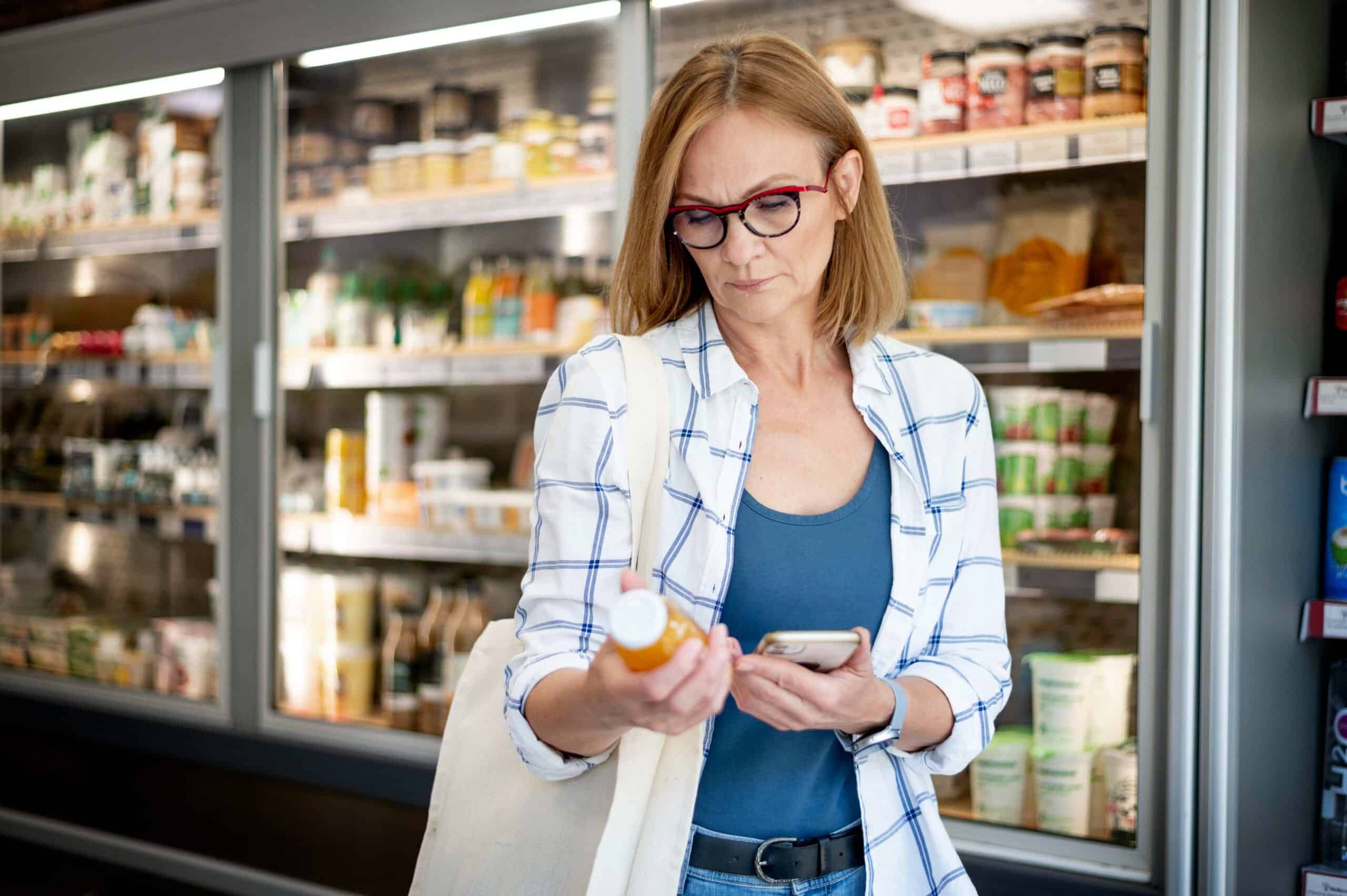
Are PET bottles and food trays safe for everyday use?
Yes. PET bottles and trays used for food and drink are safe for their intended purpose.
PET is what is known as a food-grade plastic, specifically developed and tested for direct contact with food and drink products. Strict production standards govern the entire manufacturing process to minimise any risk to the packaged food or drink. This means that any PET plastic packaging you purchase has been tested thoroughly for its intended use, making it a safe and responsible choice.
Are there microplastics in bottled water?
This is one of the most frequently asked questions about plastic bottles, and for good reason –news headlines and social media posts often make alarming claims about the dangers of microplastics. However, understanding their occurrence and significance remains challenging.
The bottom line is that microplastics in PET-bottled water are found at levels that do not pose a risk to human health. A 2025 literature review by the European Food Safety Authority (EFSA) found most research on microplastic transmission from food packaging to have major methodological shortcomings, which prevented the authors from reaching any meaningful conclusions about microplastics in our food and drink. The research is always evolving – but from what we know at the moment, there is no reason at present to worry about ingesting unsafe levels of microplastics when you reach for a bottle of water.
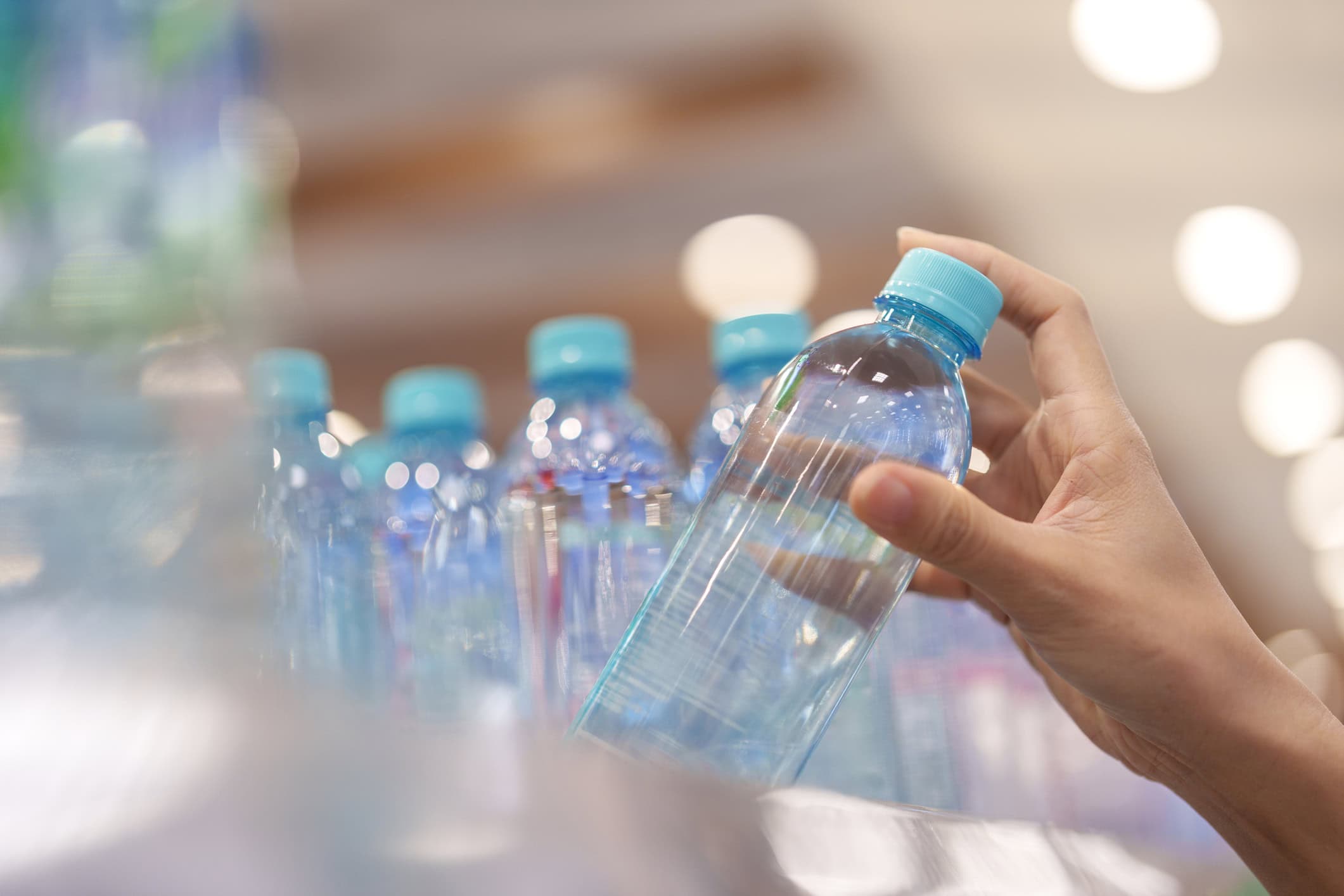
Are PET plastic bottles BPA free?
Yes. PET plastic does not contain Bisphenol A (BPA).
BPA is a chemical used in the production of certain other plastics, most notably polycarbonate. It is not used in the manufacture of PET. If you are specifically looking to avoid BPA, PET is a sound choice.
Cancer Research UK has explicitly stated that plastic bottles and containers are non-toxic and safe to use, dispelling the myth that plastic packaging causes cancer.
What happens if a PET bottle is left in the sun or heat?
PET is not designed for prolonged exposure to very high temperatures, and misuse via repeated exposure to extreme heat can gradually degrade the plastic over time.
However, the idea that a PET bottle quickly becomes toxic after being left in the sun is a myth. Scientific studies and food safety assessments have not found that normal exposure to summer temperatures, such as leaving a bottle in a car for a limited time, causes chemicals to migrate into the water at levels that pose a risk to human health.
In situations where safe drinking water is limited – such as during travel, emergencies, natural disasters or in regions without reliable access to clean tap water – drinking bottled water from a PET bottle is generally a far safer choice than risking dehydration or consuming unsafe water. The immediate health risks associated with dehydration or contaminated water are much greater than the very low chemical exposure that may result from temporary heat exposure.
Is tap water safer than bottled water packaged in PET?
Tap water quality varies across Europe and the world. In some regions, tap water is unsafe for human consumption and can cause serious diseases. In contrast, bottled water must undergo rigorous quality checks before being sold and is safe to drink.
For communities without safe tap water, access to bottled drinking water is crucial. This is particularly the case in developing regions and for communities in the aftermath of natural disasters or crises. PET plastic’s durability and its lightweight nature make transportation to these regions much easier than some other packaging options, making PET bottled water an obvious solution for providing equitable access to safe drinking water.
Is recycled PET (rPET) as safe as new PET?
Yes. Food-grade recycled PET is just as safe as virgin PET for food and drink contact.
The recycling process for food-grade rPET involves rigorous cleaning, decontamination, and quality testing before the material can be approved for reuse in food packaging. In Europe, EFSA evaluates and individually authorizes specific recycling processes for rPET, ensuring that the recycled material meets the same strict safety standards as virgin PET. Additionally, every batch of recycled material must comply with the same food contact legislation that applies to new PET, while also complying with additional recycling-specific regulatory requirements.
Is there a health risk from using recycled PET packaging?
No. The misconception that recycled PET plastic is less clean or less safe than new PET is a myth.
Approved rPET recycling processes are specifically designed to remove contaminants accumulated during previous use and the recycling process.
The material is cleaned, melted down, and reprocessed under controlled conditions. By the time it becomes new packaging, the material has been fully transformed and independently verified to meet food safety standards.
Choosing products packaged in food-grade rPET is not a compromise on safety. It is an environmentally responsible choice that also reduces demand for virgin plastic production.

How widely is PET recycled?
PET is among the most recycled plastics in the world, and one of the few plastics with a genuinely established circular economy behind it. Across Europe, PET collection and recycling infrastructure is well developed.
Recycled PET is used not only in new bottles and trays, but in a wide range of products including textiles, construction materials, and automotive components. Increasing the amount of PET that is collected and recycled reduces the need for virgin material and cuts the carbon footprint of production.